One of the largest protected areas in West Africa: savanna, gallery forest and a great river.
Comoé covers an enormous area in the north-east, and its interest lies in the range of habitats packed into it: wooded savanna, open grassland, and gallery forest following the Comoé river through the middle of it. That gradient — from dry savanna species to forest species along the water — is why UNESCO listed it in 1983.
The park went through difficult decades and was on the List of World Heritage in Danger for many years before being removed in 2017 following conservation work. Wildlife densities are lower than in the great East African parks, and the experience is closer to a naturalist's outing than to a game drive. Come for the landscape and the birds, and treat mammal sightings as a bonus.
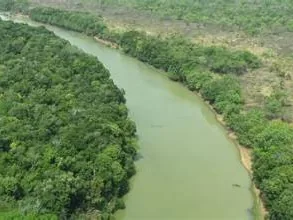
The park's spine. Hippos, crocodiles and a constant traffic of birds along the banks, especially early and late.
Kob, bushbuck, warthog, baboon and several monkey species. Elephants and buffalo are present but rarely seen.
This is the real strength of the park — hundreds of species, and the mix of savanna and forest birds in one place is unusual.
Ribbons of dense forest along the watercourses, cutting through open savanna. Walking from one into the other is a striking transition.
One of the last primary rainforests in West Africa, and a UNESCO World Heritage site.
ExploreThousands of hectares of rainforest inside the city — half a day, no travel required.
ExploreA national park of lagoon islands: mangrove, water birds, and islets held sacred.
ExploreSend us your dates and what you want out of the trip. We reply with a route, a price and the names of the people who will meet you.
Contact us